
Nevada's Strange Property Tax: Depreciation, Caps and the Bill That Puzzles Newcomers
Nevada taxes homes unlike any other state — replacement cost minus depreciation, with capped increases. Our investigations desk explains the system Henderson homeowners actually pay under.
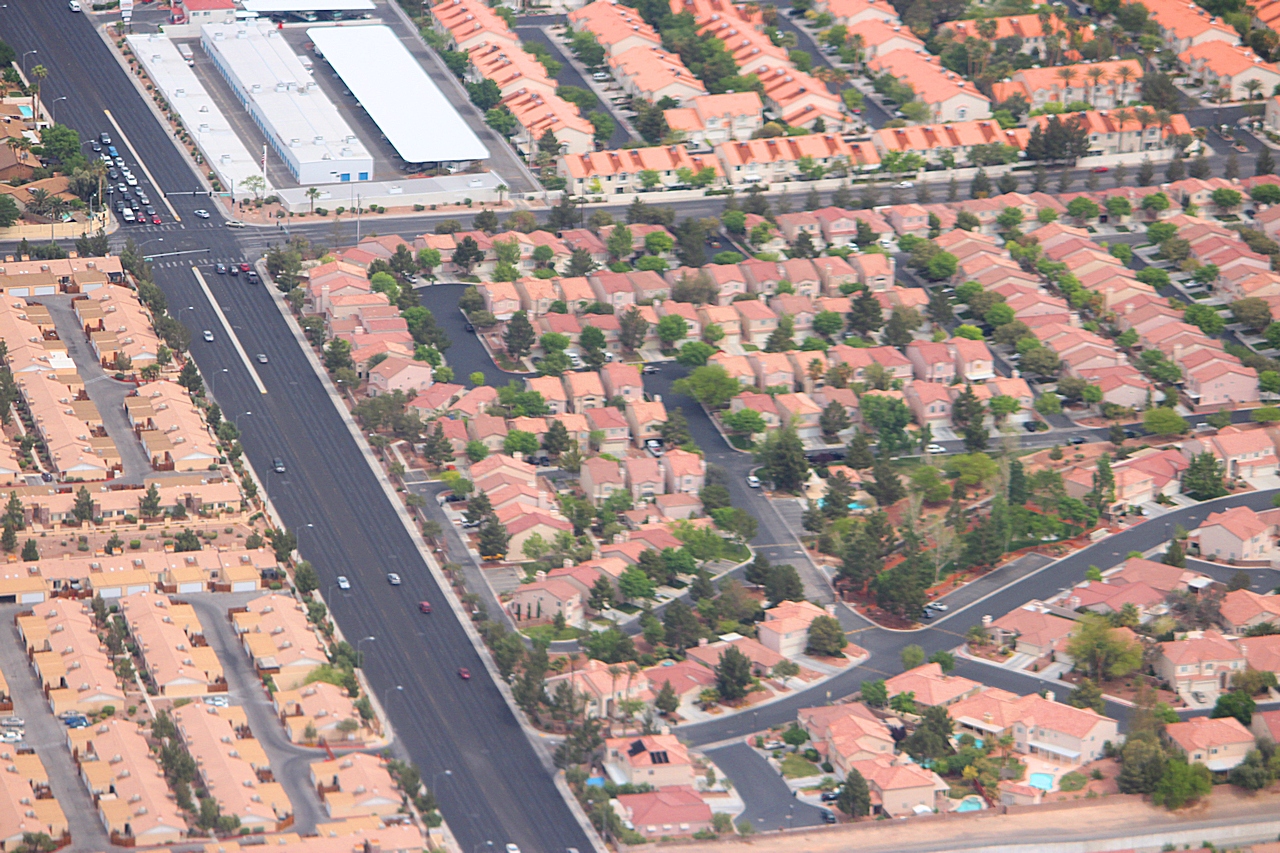
Every state has a property tax system; Nevada has a property tax puzzle. Homeowners arriving from California or Arizona open their first Clark County tax bill and find numbers that follow rules unlike anywhere they've lived — because Nevada's system, rebuilt by voters and the Legislature decades ago, runs on depreciation and abatements.
The mechanics: Nevada taxes real property on a taxable value built from the land's market value plus the replacement cost of the buildings, minus depreciation of 1.5 percent per year up to 50 years. The county assessor applies a 35 percent assessment ratio to reach assessed value, and tax rates — set by the overlapping jurisdictions on the bill — do the rest.
Then comes the feature Nevadans know best: the property tax cap. State law abates — reduces — tax increases beyond set percentages: generally 3 percent annually for owner-occupied homes and up to 8 percent for other property. In hot markets, the cap is why a Henderson home's value can jump 20 percent while its tax bill rises 3.
The cap's shadow is the other half of the story: when markets fall, bills don't fall as fast, and two identical Henderson houses on the same street can carry very different tax bills depending on when each was bought — a fairness debate the Legislature revisits regularly.
The practical pathways are public: the Clark County Assessor's office posts property records and valuation data online, owners can appeal valuations to the County Board of Equalization on a statutory calendar, and the Treasurer's office publishes the installment schedule for paying the bill in four parts.
Our desk's advice to newcomers: don't import assumptions. Nevada's system rewards reading the actual bill, line by line, jurisdiction by jurisdiction — the school district's share, the county's, the city's, the state's debt service — because in Nevada, the explanation is the audit trail.