Henderson's Wet Edge: Lake Las Vegas and the Road to Lake Mead
A man-made lake resort on the city's east side and a national recreation area beyond it give Henderson something no other valley suburb has: a shoreline.
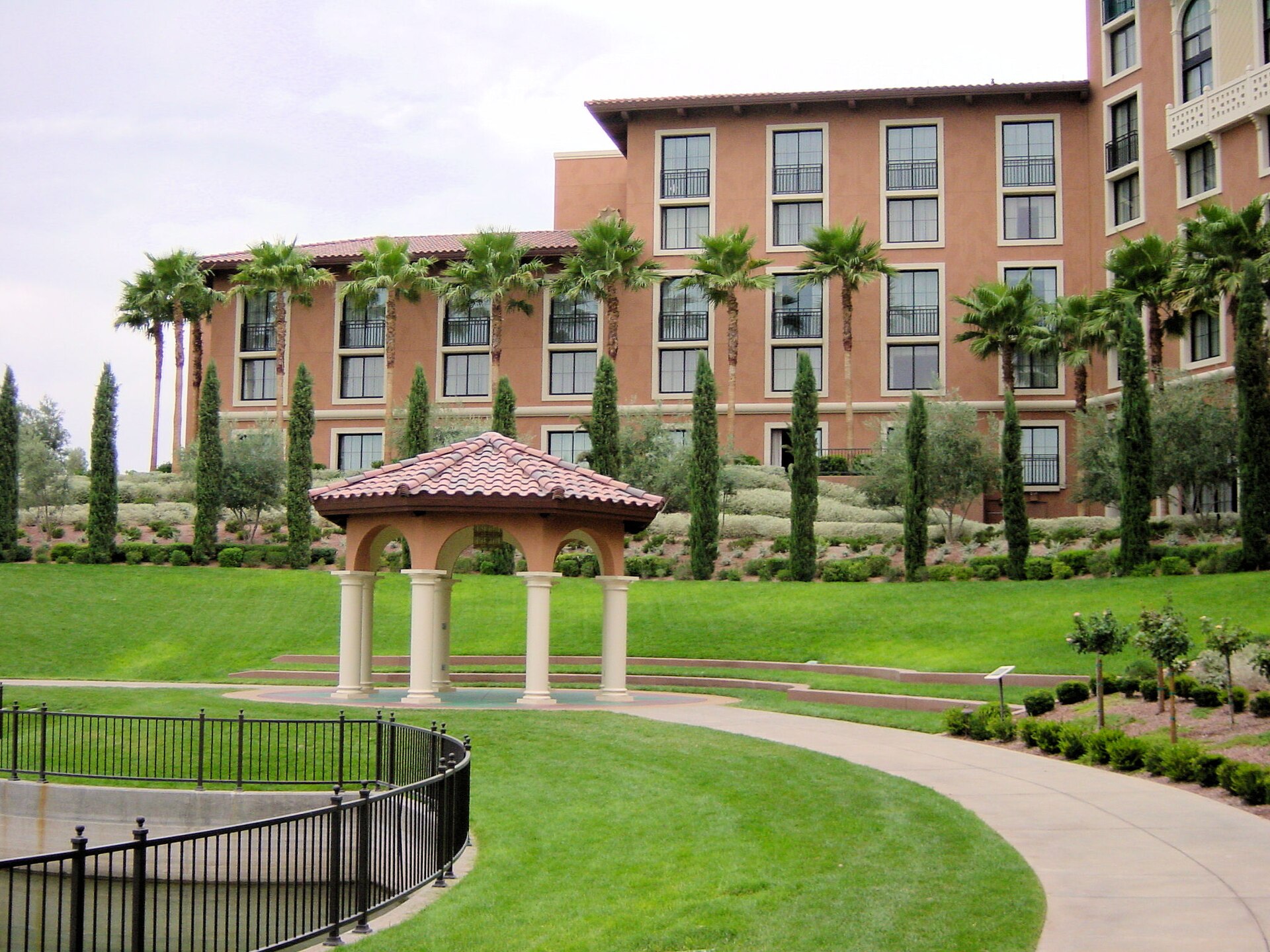
Henderson ends in water. On the city's eastern edge, Lake Las Vegas — a 320-acre man-made lake surrounded by resort hotels, golf courses and Mediterranean-styled neighborhoods — curves through the desert along the Las Vegas Wash, and just beyond it, the road continues to Lake Mead National Recreation Area.
Lake Las Vegas's history has the valley's drama in miniature: conceived in the 1980s, engineered around a dammed wash, bankrupted in the crash, and rebuilt in the years since into a residential and resort community whose village hosts concerts, paddling events and holiday programming at the water's edge.
The bigger water beyond is the region's defining fact. Lake Mead — the reservoir formed by Hoover Dam on the Colorado River — has spent years at historically low levels in the Southwest's long drought, its shoreline marked by the white mineral bathtub ring that has become the drought's most famous image. Federal water managers' Colorado River negotiations will decide the lake's next chapter, and Henderson, which drinks from the river system through the Southern Nevada Water Authority, watches those talks as local news.
The recreation area still delivers what it has since 1936: boating, fishing, hiking and desert shoreline camping minutes from Henderson's subdivisions — the region's original playground, run by the National Park Service.
November is the lakes' gentle season: cooler water, quieter marinas, desert bighorn sheep on the rocky slopes, and sunsets that make the case for Henderson's shoreline all by themselves.
The suburbs northwest of here end in more suburbs. Henderson ends in a lake, a wash, and the Colorado River's long argument with the desert — the best backyard in the valley, and the most serious one.